This post is focused on the information I provided while engaging with different media on January 30 2026.
8:00 a.m. – wake up and check phone
I have my alarm set on my phone for 8:00 a.m., and after turning that off, I take a look at my messages and my email. As I do this, I am providing my device’s ID, and my device is also likely keeping track of the exact time that I open up my phone and how long I interact with each app. I then check the weather app, which means my device has access to my exact location.
9:00 a.m. – open my laptop and do some work
I unlock my laptop with facial recognition, and I assume that data is being collected from my face and possibly sold to be used for nefarious activities, as Shoshana Zuboff, author of “The Age of Surveillance Capitalism,” talks about in this documentary. I check my email again and search some things on Google for my other classes, and Google obliviously monitors my searches and collects data from that. Professor Zuboff apparently does not use Google at all, so maybe I’ll do the same.
10:45 a.m. – messages
I checked my text messages and texted with my friend for a bit. I have a Google phone. and I update my privacy and security settings often. But data such as timestamps, frequency of communications, and my overall messaging behavior is collected, but at least I’m told the content is encrypted.
11:32 a.m. – scrolling on social media
Upon opening up TikTok and starting to scroll through my “for you page,” TikTok tracks things like my watch time, liked videos, replays, and other viewing habits to improve its algorithm. It also collects biometric data and other info, including my name, age, email, and phone number, and is synced with my contacts, although I don’t recall being asked about that.
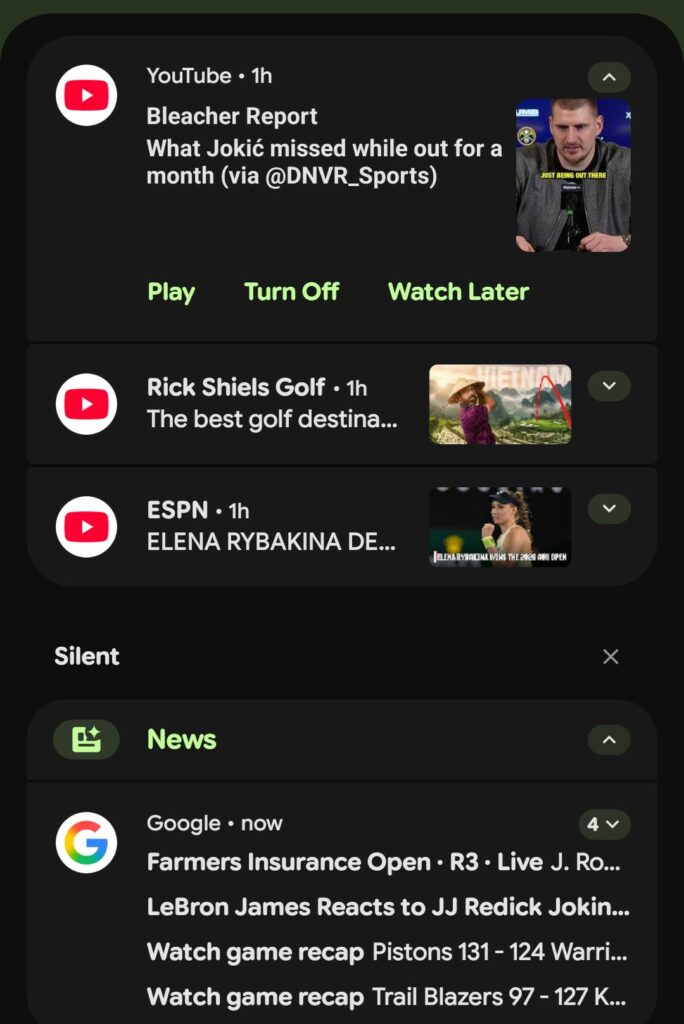
12:24 p.m. – YouTube
YouTube is constantly sending me notifications about new videos it recommends for me. So, I pick one of them and then look for some other videos or shorts to watch. YouTube collects a lot of the same info as TikTok, but YouTube has a lot more ads, which it tailors to me based on what it thinks my interests are.
1:32 p.m. – Shopping
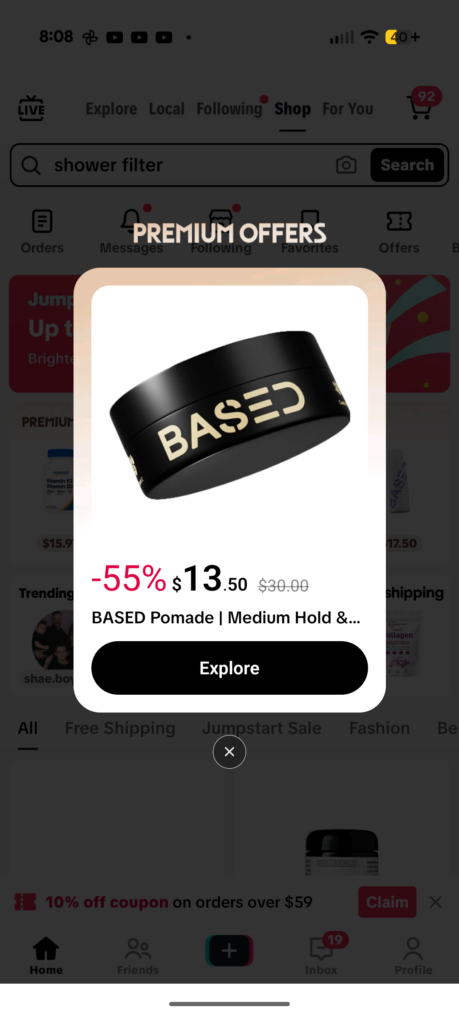
I went on the TikTok shop to see if there was anything I wanted to buy since there are some pretty good deals. There also always seems to be “flash sales” on the things I have bought in the past. Today, I was browsing the shop and came across a shower filter. When I went back to scrolling, I immediately saw a video of someone selling the same product, claiming it’s on sale right now.
2:36 p.m. – music streaming
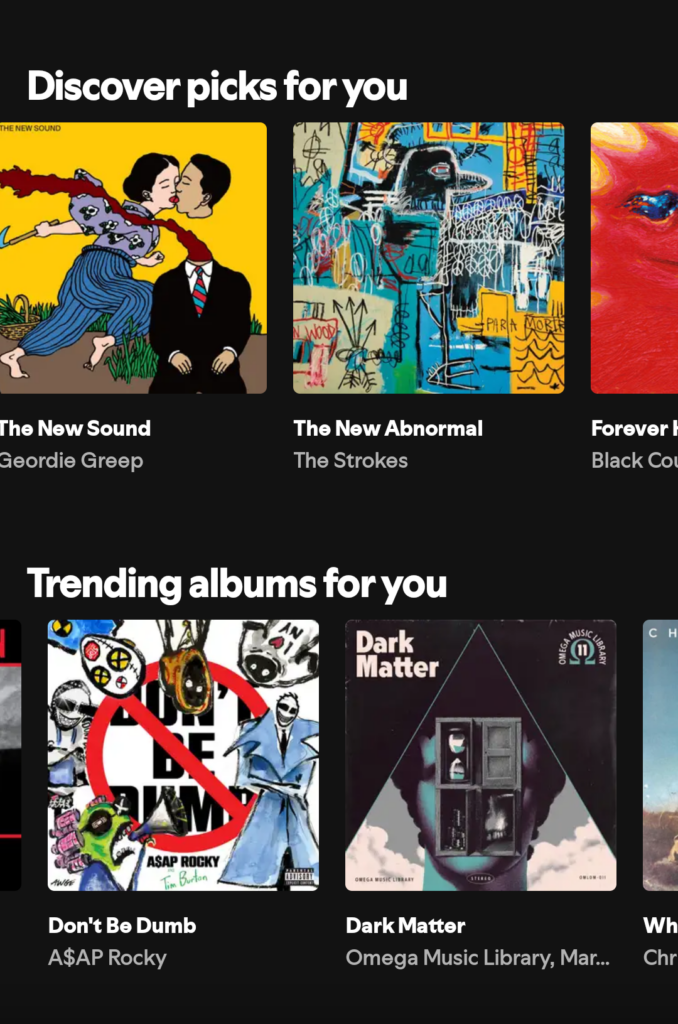
I went to the gym and listened to some music while I was there. I use Spodify, which tracks things like my listening history, liked songs, skipped songs, and listening time to give me music recommendations. Google probably also keeps track of when I go to the gym and probably knows my entire routine by now.
6:54 p.m. – scrolling
I scrolled some more and jumped between TikTok, Instagram, and YouTube.
8:36 p.m. – Netfilx
I watched a show on Netflix, which keeps track of my activity similar to Spotify, and makes recommendations based on what I watch.
Reflection:
Every media I interacted with had today collected some sort personal, behavioral, or even biometric data. The data collected shapes what content, ads, and information that I receive from media cites. I think I interacted with less media than most people do, and I think the less media I interact with the better. When I do interact with media moving forward, I will take steps to improve my security and privacy such as getting a VPN, and simply not giving away info unless I need to. But there is no way to achieve complete privacy in the digital world, which is why I aim to consume as little media as possible.
Leave a Reply